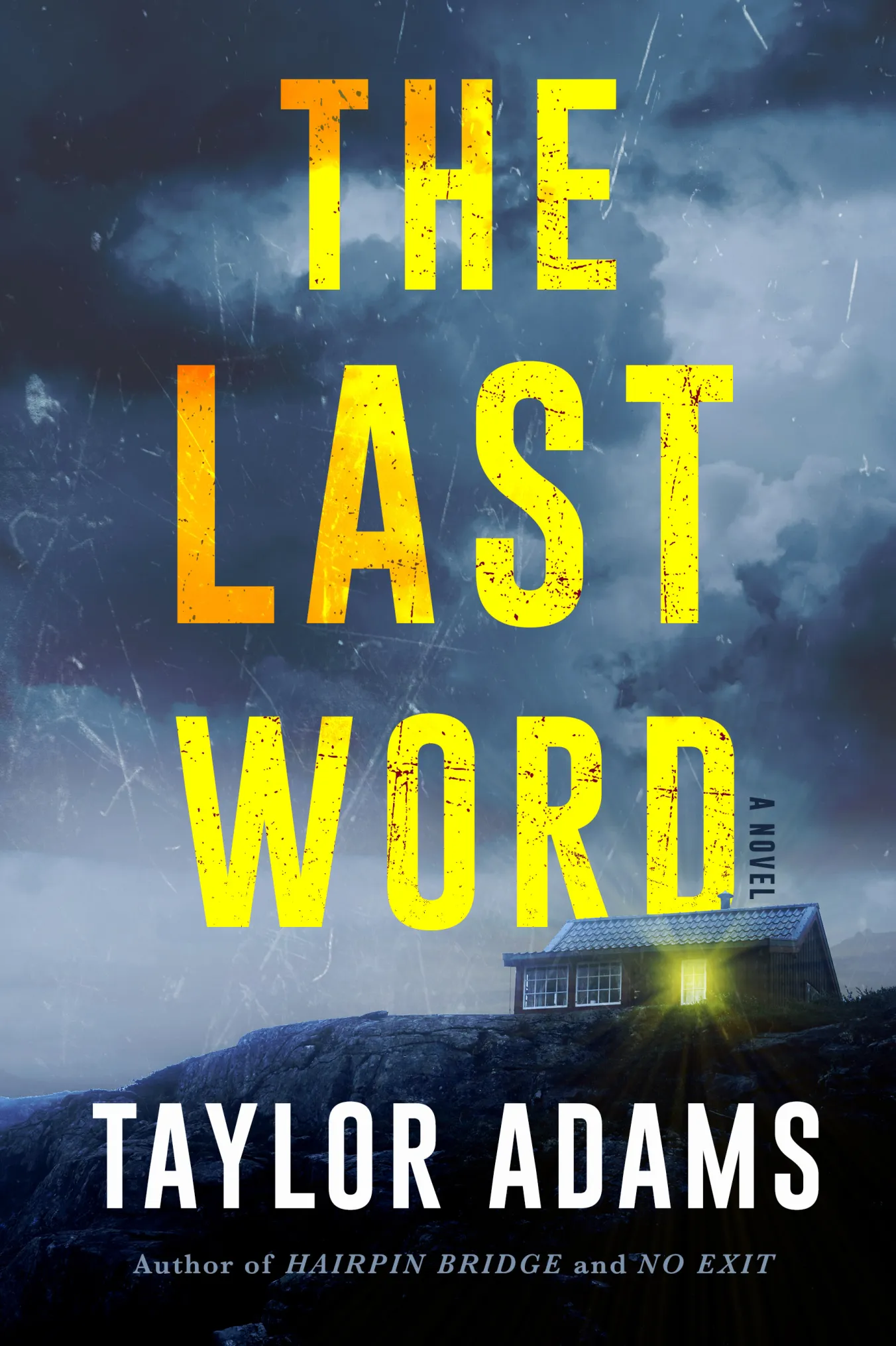
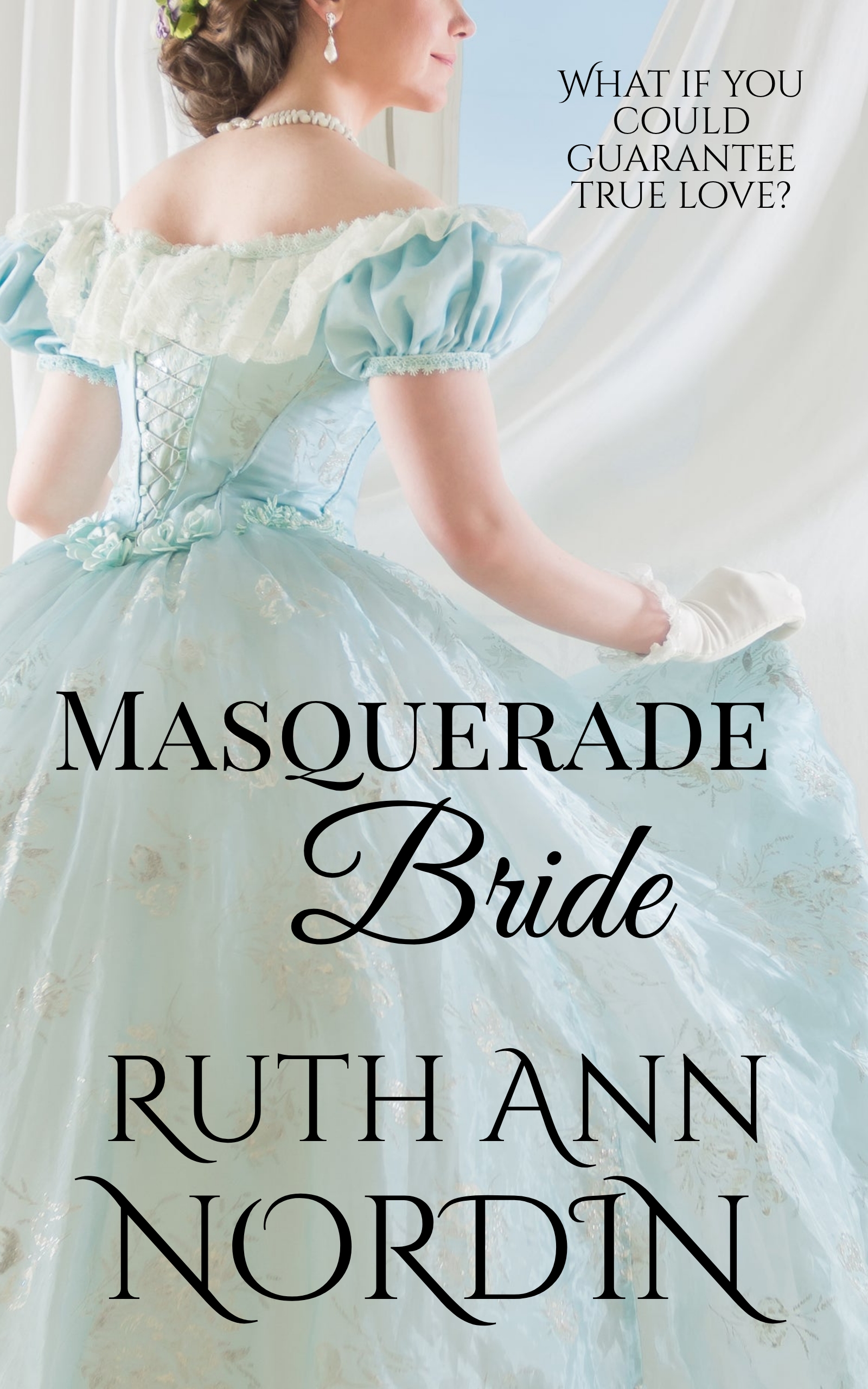
I have enjoyed a lot of the stories I’ve been reading lately. It’s been a real pleasure getting back to reading for the sake of enjoyment. Most of the books I read over the past few years have been geared to writers. While it’s been educational (and, I admit frustrating since most marketing advice does not work), I forgot what it was like to read for fun. There’s definitely a benefit to taking time to just enjoy what you’re doing, rather than doing something because you feel like you have to.
Anyway, as I’ve been reading more thrillers and horror stories, I’ve noticed three specific things, and I thought I’d mention them because I love to blog, and it’s fun to share what I’m learning about storytelling. Granted, these things do not happen in every thriller or horror story, but they happen often enough that they’ve gotten my attention.
As a disclaimer, these are all traditionally published books that you’ll find in any brick-and-mortar bookstore and your local libraries. So this means big publishing houses are just fine with these three things, which also means these editors are allowing these things to get a pass. So next time someone clowns indie publishing, just remember that big publishing houses aren’t perfect, either.

Okay, so these are three things I’ve noticed:
1. “I won’t tell anyone. I swear!”
I have lost track of how many times a victim in a book has cried and begged, “Please let me go. I promise I won’t tell anyone that you’re a psychotic killer. I swear!” Since when has this tactic ever worked? I have yet to read a book (or even see a movie) where the killer decides to let the person go. The killer knows the person is lying. There’s no point in using this line unless the killer actually lets the person go.
It’s best to leave this empty threat out. Because, let’s fact it. If the person does manage to get away from the killer, they’re going to tell. They’ll get cops involved. They’ll get journalists involved. They’ll get their crazy relative with a shotgun involved. They’ll get a monster involved. Somehow, someway, they will get something or something involved because they won’t want that killer coming back to get them. That is why the killer never falls for this empty promise.
Now, I think it would be refreshing to read the person tell the killer something like, “If I ever get out of this, I’ll tell the entire planet what you’ve done!” That would be hilarious, and, given the right emotional buildup, a satisfying f-you to the killer.
2. The “will they or won’t they” romantic subplot
Honestly, I am just fine reading thriller and horror stories that have no romantic elements in them. I actually find them more enjoyable because the author focuses strictly on the main plot. I don’t know why, but it seems like most authors in the thriller and horror genres have no idea what a “romance” actually is. They seem to think romance is simply a “will they or won’t they” equation.
This is how it goes. Character A and Character B are obviously attracted to each other. The reader doesn’t need to be told this. The reader can see this setup right away. But instead of the author just delivering on this pretty quick into the story, the author will drag the whole thing out until the story is almost over. It is exhausting, and quite frankly, I end up skipping this stuff because it does nothing for the plot.
So what am I talking about? Let me explain. Character A almost tells Character B how they feel. For whatever reason, Character A chickens out by “saying enough but then not enough”, or, if Character A is still talking, the author throws in some generic interruption into the conversation, such as another person enters the room or something falls from the ceiling and almost kills everyone. Another variation of this is when Character A does actually/finally admit their feelings, but Character B assumes these feelings aren’t sincere. For example, Character A proposes, but Character B thinks Character A is only proposing to save her from financial ruin, not because of true love. So then Character B can’t say yes but then proceeds to mope or cry about it when alone. Ugh. Why not just ask Character A for clarification if it’s needed? Why assume something? How hard is it to just sit down and have a conversation? Then we’re freed up to get to the story we came here to read. Last time I checked, someone does not pick up a thriller or a horror novel to read a romance. They are there for the thrills and chills.
Now, I will add an exception to the above statements. If the book is a thriller or horror novel where Character A loves Character B but doesn’t know if Character B is the killer, then the “will they or won’t they” makes sense. It’s a vital part of the plot.
3. A lot of women in thriller and horror stories are “impaled” by their love interest.
Just about every single thriller and horror story that contains a sex scene will have the man “impale” the woman. At first, I thought, “What a weird choice of words.” All I could think of was Vlad the Impaler, a real life person who went around impaling people. I was ready to forget the word when I came across more of them in different books by different authors with different publishing houses. These were all consensual sex scenes where the woman wanted to be there. She wasn’t forced into it.
Out of curiosity, I looked up the word “impale” on Google. This is what it means in verb form, to “pierce or transfix with a sharp instrument”. This is an example given in how to use it in a sentence: “His head was impaled on a pike and exhibited for all to see.”
Since when is a penis “sharp”? Last time I checked my husband, his penis did not end with a point. With that fact aside, the word “impale” conveys brute force that is painful. I have read a lot of romances, and there is not a single one I’ve come across that uses the word “impale” to convey sexual intercourse. I know we’re not in a romance novel, but it’s still important to use the right wording if you’re going to have a sex scene. A better word would be “enter”. Just say, “He entered her.” Or you can use the words “penetrate” or “went into”. Sex scenes are not complicated, but the right words do matter. You don’t want a reader to pause in the middle of the story and think, “Ouch. That would hurt.”
***
That’s all I got for now. Despite the things above, I have enjoyed the stories themselves. They don’t take away from the overall experience. I just thought they were amusing and wanted to mention them.